
Nepal High Mountain Journey: Best Adventure Trails for Peak Climbing and Everest Pass Trek
Nepal is one of the most beautiful mountain countries in the world, where many trekkers and climbers come every year for adventure and high Himalayan experiences. The mountains of Nepal not only give snow peaks and cold glaciers but also give culture, villages, monasteries, rivers, forests, and strong memories for a lifetime. Many people dream of walking under Mount Everest and climbing famous trekking peaks in the Khumbu region.
Among many adventures in Nepal, Island Peak, Lobuche Peak, and Mera Peak are becoming the most popular climbing destinations. Also, the Cho La Pass trek route is one of the famous trekking trails near the Everest region. These adventures are giving both trekking and mountaineering feelings.
Many travelers choose these routes because they want more than normal trekking. They want challenges, a mountain lifestyle, glacier crossing, summit climbing, and a close view of the world’s highest mountains. The Himalayan journey becomes more exciting when trekkers pass high passes, climb ice slopes, and sleep in remote tea houses surrounded by giant snowy peaks.
Island Peak Climbing Adventure in Everest Region
Island Peak is one of the most climbed trekking peaks in Nepal. The peak is standing at 6,189 meters and located near Chhukung Valley in the Everest region. This climbing peak is perfect for beginners who want their first Himalayan climbing experience. Even many climbers use this peak as preparation before bigger mountains.
The trail for Island Peak usually starts from Kathmandu and flies to Lukla airport. After reaching Lukla, trekkers pass famous Sherpa villages like Namche Bazaar, Tengboche Monastery, Dingboche, and Chhukung.
The climbing route of Island Peak is not too technical, but climbers still need basic climbing skills. During a summit push, climbers use ropes, crampons, a harness, and an ice axe. The glacier section near the summit can become difficult because of crevasses and steep snow walls. But after reaching the top, the mountain views become unbelievable. Climbers can see Mount Everest, Lhotse, Makalu, and many ice valleys around Khumbu.
Spring and autumn are the best times for Island Peak climbing because the weather stays more stable and mountain visibility becomes very clear. In winter, too much snow and cold weather can make climbing difficult.
Lobuche Peak Climbing for Strong Adventure Lovers
Lobuche Peak is another famous climbing peak in Nepal. This mountain stands around 6,119 meters and gives more technical challenges than Island Peak. Many experienced trekkers choose Lobuche Peak because the route becomes more exciting and the summit ridge looks very dramatic.
The trekking trail mostly follows the Everest Base Camp route. Trekkers cross beautiful villages, suspension bridges, yak trails, and glacier valleys before reaching the Lobuche area. During the journey, trekkers also visited Everest Base Camp and Kala Patthar for a close Everest panorama.
Climbing Lobuche Peak needs good physical fitness because the summit section becomes steep and rocky. Climbers need proper acclimatization because high altitude can create sickness problems. The route involves fixed ropes, snow climbing, and narrow ridge walking. But summit rewards become truly amazing because climbers stand among giant Himalayan peaks.
From the top of Lobuche Peak, people can enjoy close views of Everest, Nuptse, Pumori, Ama Dablam, and the Khumbu Glacier. Sunrise from the summit makes the snow mountains glow a golden color, and many climbers say this moment becomes unforgettable in life.
One important thing for Lobuche Peak climbing is preparation. Trekkers should train before coming to Nepal. Long walking practice, cardio exercise, and mental preparation help very much during high-altitude expeditions.
Mera Peak Climbing: Highest Trekking Peak in Nepal
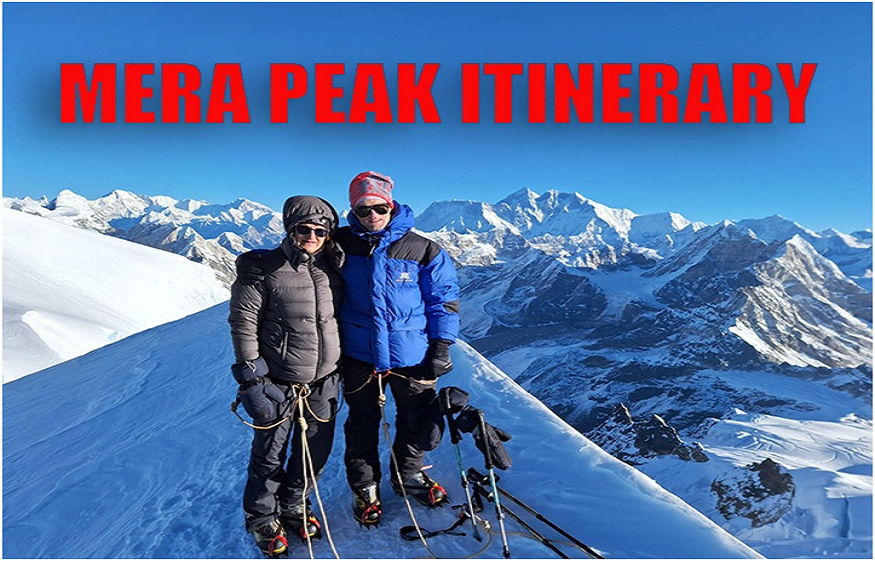
Mera Peak is famous as the highest trekking peak in Nepal with a height of around 6,476 meters. Even though the peak is very high, technical difficulty is lower compared to Lobuche Peak. Because of this reason, many people select Mera Peak for their first high-altitude climbing adventure.
Read More: What Makes Dubai Garden Glow Unique Compared to Other Dubai Attractions?
The journey to Mera Peak passes the remote Hinku Valley, which is less crowded than the Everest Base Camp route. Trekkers walk through forests, rivers, alpine villages, and glacier landscapes. This peaceful route gives a more natural feeling and a quiet mountain experience.
For Mera Peak climbing needs strong stamina because altitude becomes the biggest challenge. Climbers walk slowly for many days to adapt their bodies to thin air. Acclimatization days are very important during this expedition.
The summit day usually starts very early in the dark morning. Climbers wear headlamps and walk on snow slopes for several hours. The final summit section became long and cold, but not highly technical. After reaching the summit, climbers can see five of the world’s highest mountains together, including Everest, Lhotse, Makalu, Cho Oyu, and Kanchenjunga. This panoramic view makes Mera Peak very special among trekking peaks of Nepal.
The local Sherpa guides help climbers with ropes, safety, and mountain support during the entire expedition. Without an experienced guide, high-altitude climbing becomes risky because weather can change very quickly in the Himalayas.
Everest Cho La Pass Trek Experience
The Everest Cho La Pass Trek is one of the most adventurous trekking routes in the Everest region. This trail connects the Everest Base Camp area with the beautiful Gokyo Valley. The pass stands around 5,420 meters and gives an exciting glacier crossing and rocky mountain path.
The Everest Cho La Pass Trek usually starts from Lukla and continues toward Namche Bazaar. Namche is a famous Sherpa town where trekkers rest and acclimatize. After Namche, the route moves toward Tengboche, Dingboche, and Everest Base Camp side before crossing Cho La Pass.
Crossing the pass becomes one of the hardest but most rewarding parts of the trek. Trekkers walking on icy rocks and snow trails while surrounded by giant Himalayan walls. Sometimes the weather becomes windy and cold, so proper equipment becomes necessary.
After crossing Cho La Pass, trekkers enter the beautiful Gokyo Valley, where turquoise glacial lakes make magical scenery. Many trekkers also climb Gokyo Ri for panoramic mountain views. From Gokyo Ri, the sunrise over Everest and nearby peaks becomes absolutely breathtaking.
This trek becomes perfect for adventure lovers who want the Everest Base Camp experience together with high pass crossing and Gokyo Lakes exploration. The route gives a combination of challenge, nature, beauty, and Sherpa culture together.
Culture and Local Life During a Himalayan Journey
These mountain adventures are not only about climbing and trekking. Travelers also learn about local Sherpa culture and Himalayan lifestyle. In villages of the Everest region, people can see prayer flags, mani walls, monasteries, spinning prayer wheels, and traditional stone houses.
Sherpa people are known for mountain strength, kindness, and hospitality. Tea houses along trekking routes give warm food and comfortable resting places for trekkers. Popular meals include dal bhat, noodle soup, potatoes, bread, tea, and yak cheese.
Trekkers also visit famous monasteries where Buddhist monks pray every morning. The peaceful sound of bells and chanting creates a spiritual atmosphere in mountain valleys. Many travelers say these cultural experiences become as memorable as mountain views.
Best Time for Climbing and Trekking
The spring season from March to May is considered one of the best periods for peak climbing and Everest trekking. During this season, weather becomes stable, and rhododendron flowers bloom in lower forests. Mountain visibility usually stays very clear.
The autumn season, from September to November, is another excellent time. The skies become blue after monsoon rains, and temperatures remain comfortable for trekking and climbing. This season is also becoming more crowded because conditions are very favorable.
The winter season can become too cold in high elevations, while the monsoon season brings rain, slippery trails, and cloudy mountain views. Because of this, most climbers avoid heavy monsoon months.
Preparation for High-Altitude Adventure
Before joining any peak climbing or Everest trek, preparation becomes very important. Travelers should improve physical fitness before arriving in Nepal. Regular hiking, running, stair climbing, and cardio training can help the body handle long mountain days.
Good equipment also becomes necessary. Warm jackets, sleeping bags, trekking boots, gloves, sunglasses, and waterproof clothes protect trekkers from cold Himalayan weather. During climbing peaks, climbers also need crampons, helmets, ropes, and climbing harnesses.
Altitude sickness has become a common problem in high mountains. Trekkers should walk slowly, drink enough water, and take acclimatization rest days seriously. Ignoring altitude symptoms can become dangerous.
Hiring experienced guides and porters also makes journeys safer and more enjoyable. Local guides know weather conditions, mountain routes, and emergency management very well.
Why These Himalayan Adventures Are Becoming Popular
Many adventure travelers are now choosing Nepal because these routes offer a complete mountain experience in one journey. Island Peak gives beginner climbing opportunities; Lobuche Peak gives technical challenges; Mera Peak offers extreme altitude adventure; and the Everest Cho La Pass Trek gives exciting trekking routes through glaciers and mountain valleys.
Social media and travel documentaries also make these destinations more famous worldwide. But beyond internet popularity, the real attraction of the Nepal Himalayas is the feeling people receive while walking among giant snowy mountains.
The silence of glaciers, prayer flags moving in the cold wind, sunrise over Everest, and the simple life of mountain villages create emotional memories that remain forever.
Conclusion
Nepal continues to become a dream destination for trekkers and climbers from all around the world. Adventures like Island Peak, Lobuche Peak, Mera Peak, and the Everest Cho La Pass trek are giving unforgettable Himalayan experiences filled with challenge, beauty, and culture.
These journeys are not only testing physical strength but also changing personal perspectives about nature and adventure. Every trail, glacier, mountain village, and summit creates a powerful story for travelers. From Everest valleys to high snowy peaks, Nepal’s Himalayas continue calling mountain lovers for a once-in-a-lifetime adventure experience.
Contact Details
Everest Trekking Routes Pvt. Ltd.
16 Khumbu, Nayabazaar, Kathmandu, Nepal
Mobile: +977-9843467921 (Rabin)
Email: info@everesttrekkingroutes.com
URL:– www.everesttrekkingroutes.com




1 thought on “Nepal High Mountain Journey: Best Adventure Trails for Peak Climbing and Everest Pass Trek”